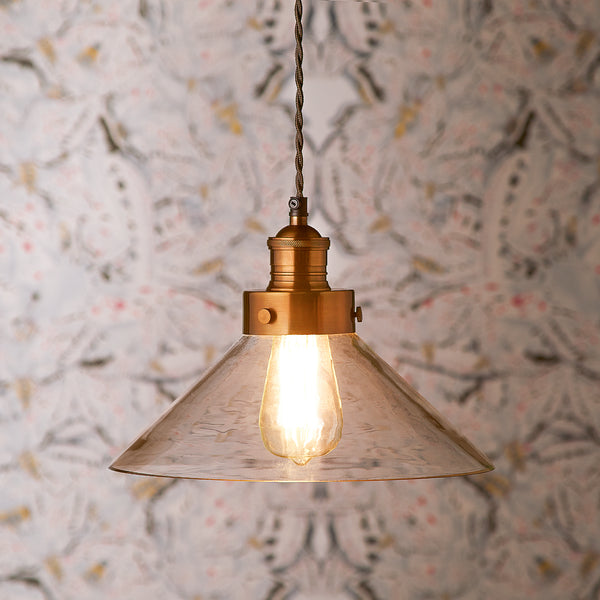
You're standing in the bulb aisle, staring at endless boxes printed with mysterious numbers. 2,700K. 806 lumens. E27. GU10. What on earth does any of it actually mean, and why does choosing a light bulb suddenly feel like sitting an exam you didn't revise for?
Here's the good news: bulb choosing can be wonderfully simple once a few friendly basics click into place. No degree in electrical engineering required, just a handful of straightforward rules that make sense.
Think of this as your cosy, jargon-light guide to bulbs that actually speaks human. Because the right bulb genuinely can make the same room feel like a completely different place.
Why Choosing the Right Light Bulb Matters
Bulbs quietly control brightness, warmth, mood and even the energy bill, more than most people realise. The wrong bulb can leave spaces looking stark, gloomy or just a bit "off" in ways that are hard to pinpoint but impossible to ignore.
With a handful of simple rules, though, picking the best light bulbs for home becomes genuinely second nature. Start by thinking about what actually happens in each room. Chopping onions? Late-night reading? Monday morning makeup application? The activity shapes the bulb choice.
Get it right and lighting transforms from "something overhead" into atmosphere, comfort and proper functionality all rolled into one slightly magical package.
LED vs Halogen Bulbs: What's the Difference?

The long genesis rechargeable cell
Meet the two main characters in the modern bulb story: LED and halogen, each with their own strengths.
LEDs are the efficient overachievers of the bulb world. They're long-lasting, low-energy and remarkably kind to running costs. A good LED bulb can last 15-25 years of regular use, which means fitting one today and potentially not thinking about replacements until 2040.
Halogens are more traditional, warm and familiar. They create a lovely, instant glow. But they're shorter-lived and considerably hungrier on energy, running noticeably hotter and needing replacement far more often.
For most spaces, LEDs win hands down. Reserve halogens for specific fixtures or very particular preferences. And if you're looking for LED efficiency with cordless convenience, rechargeable LED options like The Genesis offer brilliant flexibility for wall lights and portable lamps.
The choice also affects how your lighting performs throughout the day, with LEDs offering more control over brightness and warmth.
Quick Comparison: LED vs Halogen
Energy efficiency: LED uses far less energy - typically 80-90% less than halogen for the same brightness.
Lifespan: LED lasts 15-25 years with regular use; halogen needs replacing every 1-2 years.
Heat: LED stays cool to the touch; halogen runs hot enough to burn fingers and fade lampshades.
Cost: LED costs more upfront (£5-15 per bulb) but quietly saves money over time through lower energy bills and fewer replacements.
Warmth: Both can be warm and cosy; LEDs now come in a wide range of beautiful tones that rival any halogen.
Dimmability: Both can dim, as long as bulbs and fittings are compatible. Always check the label.
Understanding Lumens vs Watts
Here's where bulb shopping gets confusing: watts talk about how much energy a bulb uses, not how bright it is. That's lumens.
Lumens are the true measure of brightness - the "how much light" number you actually want to look for. A 60-watt old-fashioned bulb gave off about 800 lumens. A modern LED can give you those same 800 lumens whilst using just 8-10 watts.
So when you're swapping old bulbs for LEDs, think lumens, not watts. Broadly speaking, more lumens mean more light, regardless of what the wattage says on the box.
If you're planning your lighting from scratch, our guide on how much light you need in a room goes deeper into the calculations.
Simple Lumens Guide for Every Room
Living rooms: Around 1,500-3,000 lumens total for gentle, ambient warmth that makes everyone look good and feel relaxed.
Kitchens: Around 4,000-8,000 lumens for bright, practical cooking and prep without squinting at recipe cards.
Bedrooms: Around 2,000-4,000 lumens for restful, wind-down-friendly light that doesn't jolt you awake.
Bathrooms: Around 4,000-8,000 lumens for clear, flattering grooming light that shows what you're actually doing.
Dining rooms: Around 3,000-6,000 lumens for comfortable, sociable glow that makes food and faces look inviting.
Hallways: Around 1,200-2,500 lumens for soft, guiding light that welcomes without overwhelming.
Light Bulb Colour Temperature Explained
Colour temperature is how warm or cool the light looks, measured in Kelvin (K). It's one of the easiest levers for setting the mood at home, and getting it right makes an enormous difference.
Warm white (2,700-3,000K) feels cosy and golden, like candlelight or late-afternoon sunshine. It wraps rooms in softness.
Neutral white (3,500-4,500K) feels clear and energising without being harsh. It's practical without feeling clinical.
Cool white (5,000K+) feels crisp and bright, like a cloudy day or a hospital corridor. Best reserved for garages and workshops rather than relaxed living zones.
Colour temperature can swing a space from cosy and cocooning to sharp and energising, all with the same fixture.
Which Colour Temperature for Which Room?
Warm white (2,700-3,000K): Perfect for living rooms, bedrooms and dining rooms where you want a soft, welcoming glow that makes people feel at ease.
Neutral white (3,500-4,500K): Ideal for kitchens, home offices and bathrooms that need clarity without feeling chilly or institutional.
Cool white (5,000K+): Reserve for garages, workshops or task-heavy spaces rather than anywhere you actually relax.
If you're curious about how colour theories work in interior design, our guide explores how lighting and decor work together.
Light Bulb Shapes and Fittings Decoded
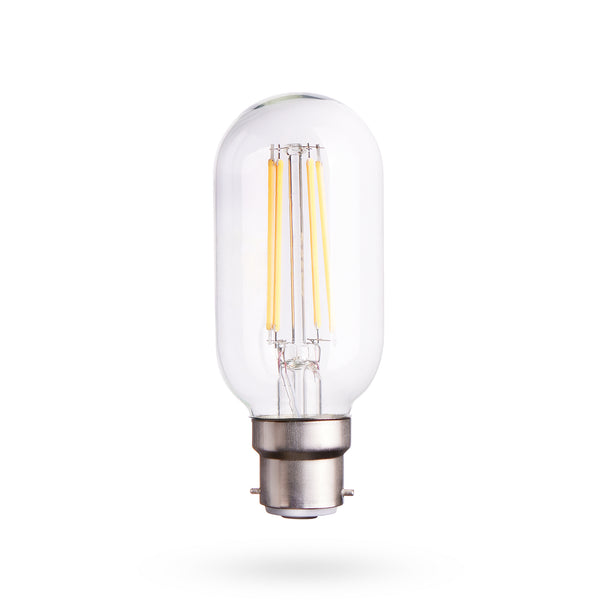
Long 6 watt led filament bulb with b22 fitting
Shape affects both how a bulb looks and how it throws light around a room. Here are the main players in everyday language:
Standard/GLS bulbs: The classic shape everyone recognises. All-rounders for table lamps, pendants and many ceiling lights.
Candle bulbs: Slim, elegant and tapered. Perfect for chandeliers, wall lights and decorative fittings where you want a touch of refinement.
Golf ball bulbs: Compact little spheres for small shades and snug fixtures where space is tight.
Globe bulbs: Larger, show-off bulbs for exposed pendants and statement pieces where the bulb itself becomes part of the design.
Spotlight bulbs (GU10/GU5.3): Directional beams for downlights, tracks and accent lighting that needs to point somewhere specific.
Checking the cap size and shape on existing bulbs makes replacements wonderfully simple. Just match the code on the base.
Explore our fittings and flex collection to see how different bulb shapes work with various fixtures.
How to Choose Light Bulbs for Different Rooms
Here's your room-by-room cheat sheet that matches bulbs to how each space is actually used.
Best Light Bulbs for Living Rooms
Warm white LED bulbs (2,700-3,000K) create that relaxed, curl-up-on-the-sofa feel. Choose dimmable options so one room can handle movie nights and morning coffee equally well.
Mix ceiling light with plenty of lamp light for depth and softness. Flat lighting from a single source feels flat. Layered lighting feels lived-in.
Best Light Bulbs for Kitchens
Neutral to warm white LEDs (3,000-4,000K) give bright but still welcoming light. Higher lumens work brilliantly for worktops and islands where chopping and reading recipes happen.
Combine bright task lighting with softer accent light for evenings when the kitchen becomes a gathering space rather than a workspace.
Best Light Bulbs for Bedrooms
Warm white LEDs (2,700-3,000K) with gentler brightness create a calm, sleep-friendly space. Lower lumens in main fittings and cosier bulbs in bedside lamps help signal wind-down time.
Dimmable bulbs or layered lighting let you read without glare whilst keeping the room restful.
Best Light Bulbs for Bathrooms
Neutral white LEDs (3,500-4,000K) provide clear, flattering light at mirrors. Good brightness for grooming, with warmer tones where possible to avoid that clinical, interrogation-room feel.
Best Light Bulbs for Dining Rooms
Warm white LEDs (2,700-3,000K) make food, faces and table settings look inviting. Dimmable bulbs let lighting shift from weekday to special-occasion mode.
Decorative bulbs shine in exposed pendants and chandeliers where they become part of the show.
Quick Tips for Choosing the Best Light Bulbs for Home
Always check cap type and fitting before buying, to avoid that "wrong bulb, wrong base" disappointment.
Choose dimmable bulbs where you want flexibility and match them with compatible dimmer switches. Not all dimmers play nicely with all LEDs.
Stick to a warm white range (2,700-3,000K) for most living spaces unless there's a strong reason to go cooler. Your home will feel more cohesive.
Replace all bulbs in multi-bulb fixtures together so colour and brightness match perfectly. Mismatched bulbs are surprisingly noticeable.
Invest in decent-quality LEDs for better light and fewer last-minute bulb changes. Cheap LEDs often have poor colour rendering and shorter lifespans.
Consider smart bulbs if you like the idea of adjusting brightness and colour temperature from your phone, though good old dimmers work brilliantly too.
Explore our lampshade collection to see how the right shade enhances bulb choice.
Common Light Bulb Questions Answered Simply
Can LED bulbs be used in any fixture? As long as the fitting and heat limits suit, usually yes. Check enclosed fixtures are rated for LEDs, as some need ventilation.
Why do some bulbs flicker? Often a dimmer compatibility issue or a poor-quality bulb. Make sure your dimmer is LED-compatible if you're using LED bulbs.
Do all LED bulbs dim? Only those labelled dimmable, paired with an LED-friendly dimmer. Regular LEDs on dimmer switches can flicker or fail to dim smoothly.
How do I dispose of old bulbs? Most LEDs and halogens go in household waste. CFLs need proper recycling at designated collection points.
Pooky's Picks for Creating Beautiful Light
We've curated fixtures that show different bulb types at their very best.
Fixtures Perfect for Warm Candle Bulbs
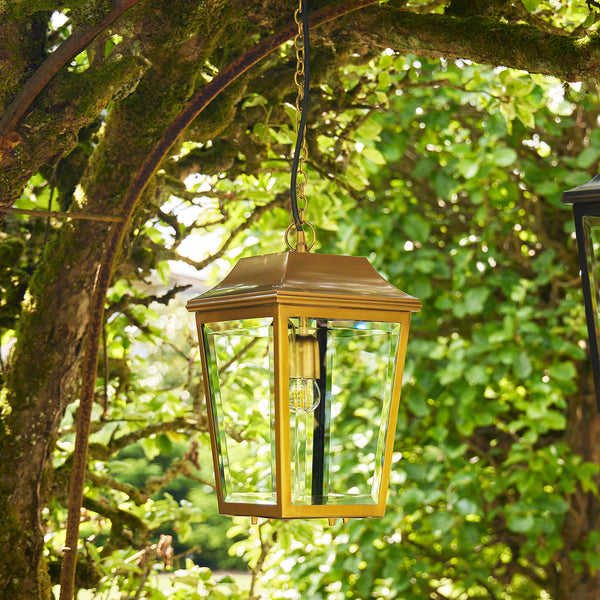
Crail ip44 exterior hanging lantern in antique brass
Elegant wall lights and chandeliers where slim candle bulbs bring refinement and gentle glow.
Statement Pendants for Decorative Globe Bulbs
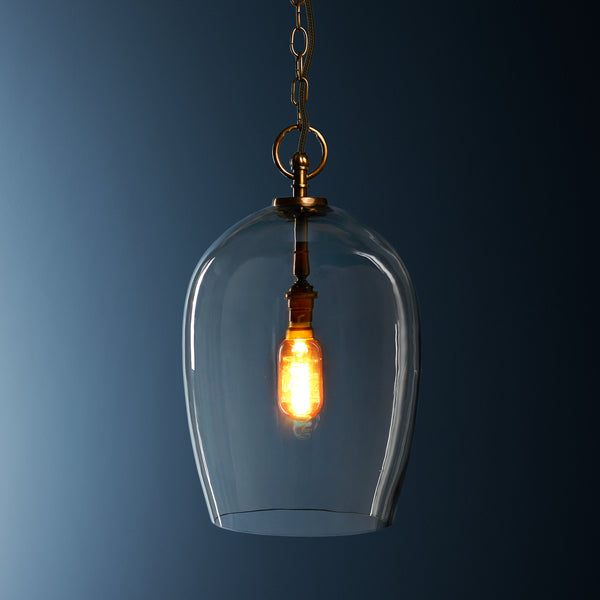
Regular priscilla pendant in clear blown glass
Show-stopping pendants where beautiful globe bulbs become part of the design.
Wall Lights That Glow Beautifully with Warm LEDs

Plover ip44 wall light in antique brass
Sconces and fixtures designed to showcase warm LED light at its most flattering.
Table Lamps for Flexible Bulb Choices
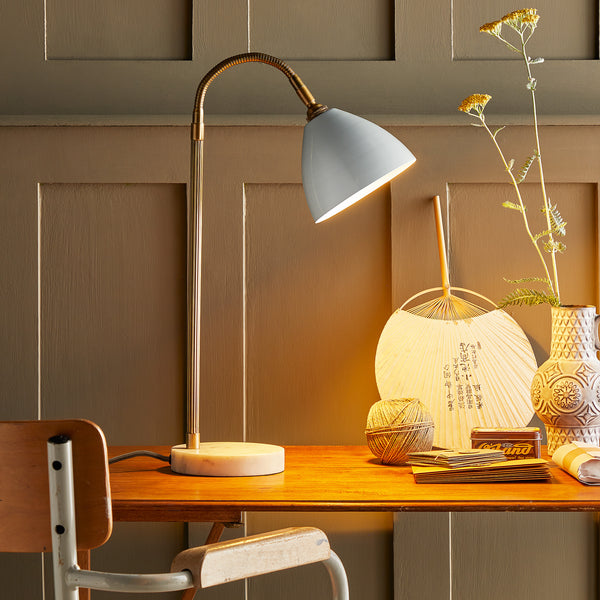
Bendle desk light in antiqued brass with marble base
Classic bases that work beautifully with standard and globe bulbs depending on your mood.
FAQs
What is the difference between LED and halogen bulbs?
LED bulbs use 80-90% less energy than halogens, last 15-25 years versus 1-2 years, and stay cool to the touch. Halogens provide instant warm light but cost more to run and need frequent replacement. For most homes, LEDs are the better choice for efficiency and longevity.
How do I know which light bulb brightness to choose?
Check lumens, not watts. Living rooms need 1,500-3,000 lumens, bedrooms 2,000-4,000, and kitchens/bathrooms 4,000-8,000. Think about the room's purpose: task-heavy spaces need more light, whilst relaxation spaces work better with softer brightness.
What does colour temperature mean for light bulbs?
Colour temperature measures how warm or cool the light appears, in Kelvin (K). Warm white (2,700-3,000K) feels cosy and golden, neutral white (3,500-4,500K) feels clear and energising, whilst cool white (5,000K+) feels crisp and bright. Lower numbers are warmer.
Are warm white or cool white bulbs better for living rooms?
Warm white (2,700-3,000K) is almost always better for living rooms. It creates a cosy, relaxed atmosphere that makes people and spaces look their best. Cool white can feel harsh and uninviting in relaxation spaces.
How many lumens do I need for a bedroom?
Around 2,000-4,000 lumens total for the whole room, with lower brightness in main fittings and softer bulbs in bedside lamps. Bedrooms should feel restful rather than bright, so err on the lower side and add task lighting where needed.
Can I use LED bulbs in old light fixtures?
Yes, in most cases. Check that enclosed fixtures are rated for LEDs as some need ventilation. Match the cap type and ensure the bulb fits the shade. LED bulbs are cooler than halogens, making them safer for many older fixtures.